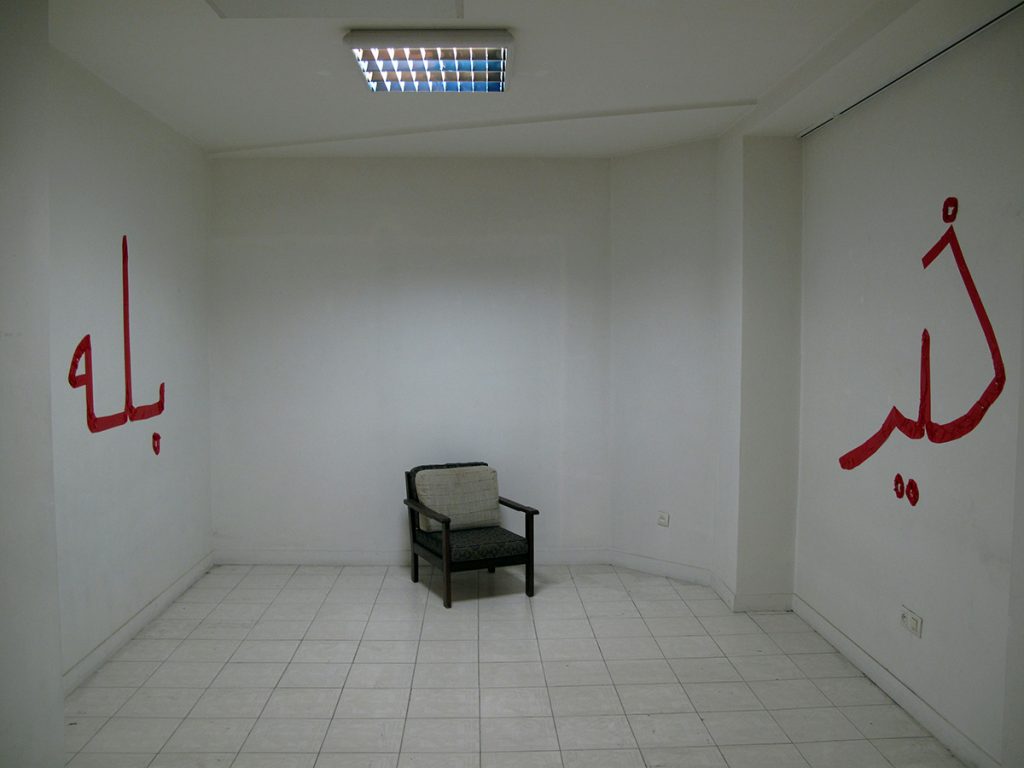
Beyond the Aesthetic and the Anti-Aesthetic
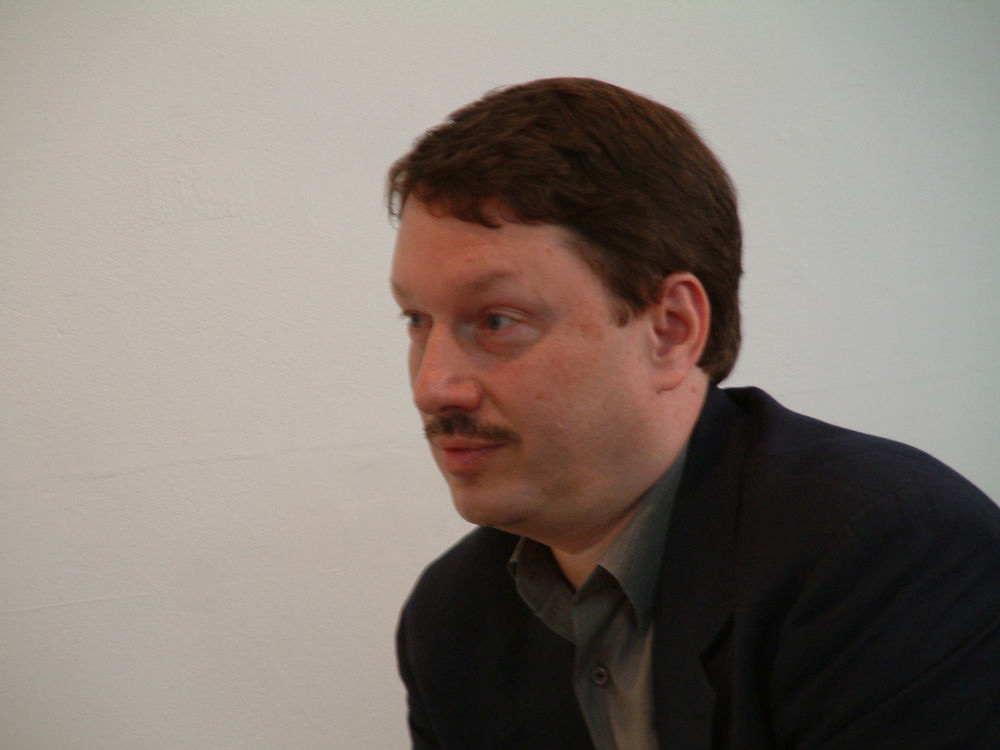
Lecture by James Elkins
The lecture addresses a fundamental issue in contemporary art practice: the persistent divide between the aesthetic and the anti-aesthetic. First articulated by Hal Foster in 1980, the anti-aesthetic describes art made without an explicit aesthetic purpose, often politically driven and concerned with questions of gender, ethnicity, and identity. Alongside this, modernist and late-modernist practices that foreground aesthetics continue to be produced.
This enduring opposition frames a familiar choice between socially engaged art and studio-based practice. Despite decades of artistic experimentation and theoretical debate, the dichotomy continues to offer few alternatives beyond local and provisional solutions. The lecture examines how this impasse is further complicated by the dominance of identity politics, which can obscure other theories of meaning, including those proposed by thinkers such as Slavoj Žižek and Gilles Deleuze, as well as by the prevailing influence of anti-aesthetic frameworks within academic discourse.
The lecture situates the current state of art theory in relation to this unresolved tension and introduces arguments developed in James Elkins’s then forthcoming book.
James Elkins grows up in Ithaca, New York, where he completes a BA in English and Art History. After graduate studies in painting, he shifts to art history, earning further graduate degrees and completing his PhD in 1989. He teaches in the Department of Art History, Theory, and Criticism at the School of the Art Institute of Chicago.
Venue: Sazmanab (Sazman-e Ab St.)
Date: Thursday, January 5, 2012
Time: 7–9 PM